Small business owners are rarely short on digital marketing advice — every platform, every agency, and every "guru" has a version of what to do next. What's usually missing isn't tactics, it's a clear sense of which metric actually predicts revenue for a small, locally-grounded business, versus which metric just looks good in a monthly report. Followers, impressions, and reach are the easiest numbers to grow and the least connected to whether the phone actually rings.
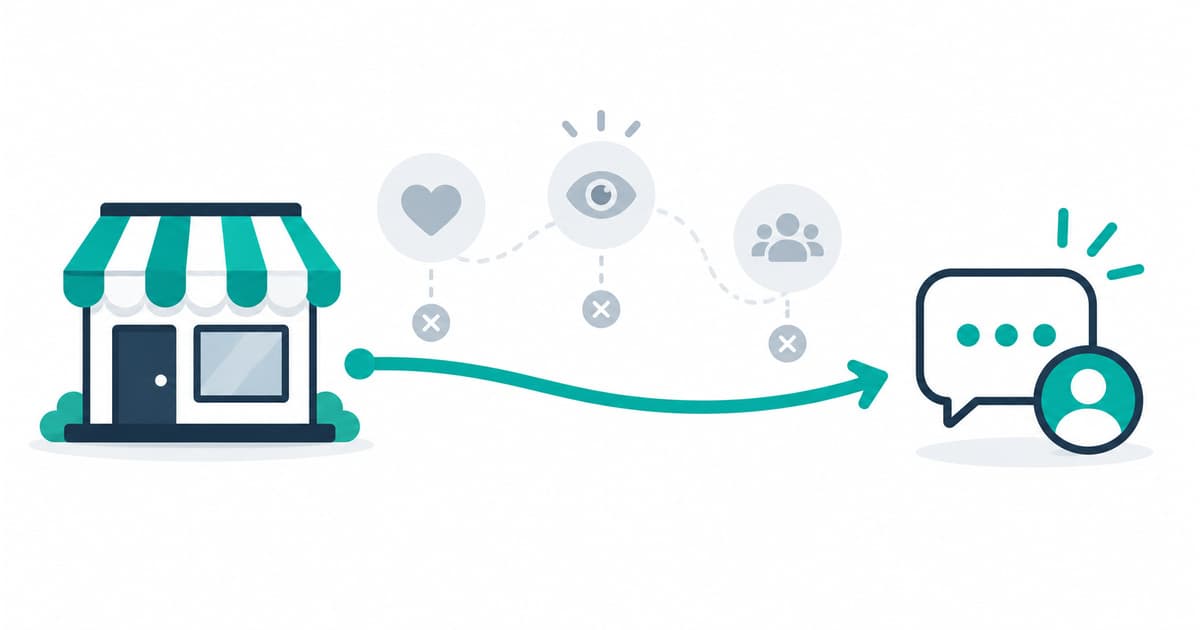
For most small businesses — a service provider, a local retailer, a training institute, a small software company — the metric that actually matters is qualified conversations generated, not audience size. A post that reaches ten thousand people and generates zero enquiries has done nothing for the business, however impressive the reach number looks in a screenshot. A tightly targeted ad that reaches three hundred people and generates five real conversations with people who could plausibly buy is a dramatically better outcome, even though it looks unremarkable by comparison. Getting this reframe right — chasing conversations, not audience — is the single highest-leverage change most small businesses can make to how they think about marketing spend.
This also changes what's worth investing in first. SEO for a genuinely local or specific service rarely means competing for the highest-volume generic keyword — "CRM software" or "data analytics course" are enormous, expensive, competitive terms dominated by large incumbents with marketing budgets no small business can match. A narrower, more specific keyword — "CRM for real estate businesses in Coimbatore," "data analytics course with placement support" — has a fraction of the search volume, but the person searching it is dramatically closer to an actual decision, and a small, well-positioned business can genuinely rank for it without an enormous SEO budget. Specific beats broad, consistently, for businesses that don't have incumbent-level budgets to spend.
Paid social and search campaigns follow the same logic. A campaign built around broad reach and impressions optimizes for the wrong outcome by default — most ad platforms will happily spend a budget maximizing reach unless a campaign is deliberately structured around conversions and lead quality instead. The fix isn't a bigger budget, it's tighter targeting and creative that filters for intent rather than just visibility — an ad that makes the wrong audience scroll past is doing its job correctly, even though it produces a lower click-through number than a broad, generic one would.
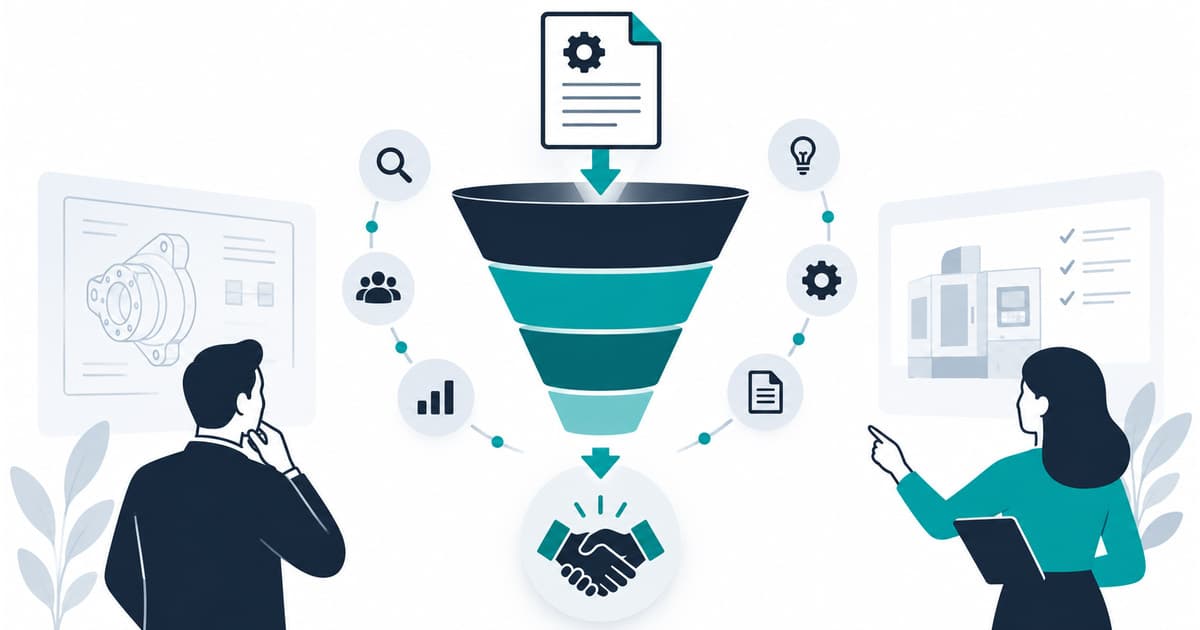
Our Digital Marketing service is built around this same principle across SEO, social, and paid campaigns — landing pages and funnels designed to convert the traffic they get rather than just accumulate it, and reporting that tracks conversations and conversions rather than vanity reach numbers. If your current marketing reporting is full of impressive-looking numbers but you can't point to which ones actually became customers, that disconnect — not your budget size — is almost always the real problem worth fixing first.