A huge share of digital marketing advice circulating online is written for consumer products with impulse-driven, single-person purchase decisions — and applied directly to B2B software, custom development services, or technical training, most of it simply doesn't transfer. The buyer isn't scrolling and impulse-clicking; they're often a small group of people, evaluating carefully over weeks, comparing you against alternatives, and needing to justify the decision internally. Marketing built for a completely different buying psychology mostly wastes budget when pointed at this audience instead.
The clearest example is content strategy. Viral, broad-appeal content that works for consumer products actively works against a B2B or technical audience, because breadth is the opposite of what earns trust from a specific, skeptical buyer. What actually moves a technical buyer is depth — a genuinely detailed breakdown of how a specific problem was solved, real numbers from a real project, an honest discussion of trade-offs rather than a purely promotional pitch. It's not a coincidence that the blog posts on this exact site that generate real inbound conversations are the ones with specific technical detail and honest caveats, not generic "5 tips" listicles — a considered buyer can tell the difference immediately, and generic content actively signals that you don't have real depth behind it.
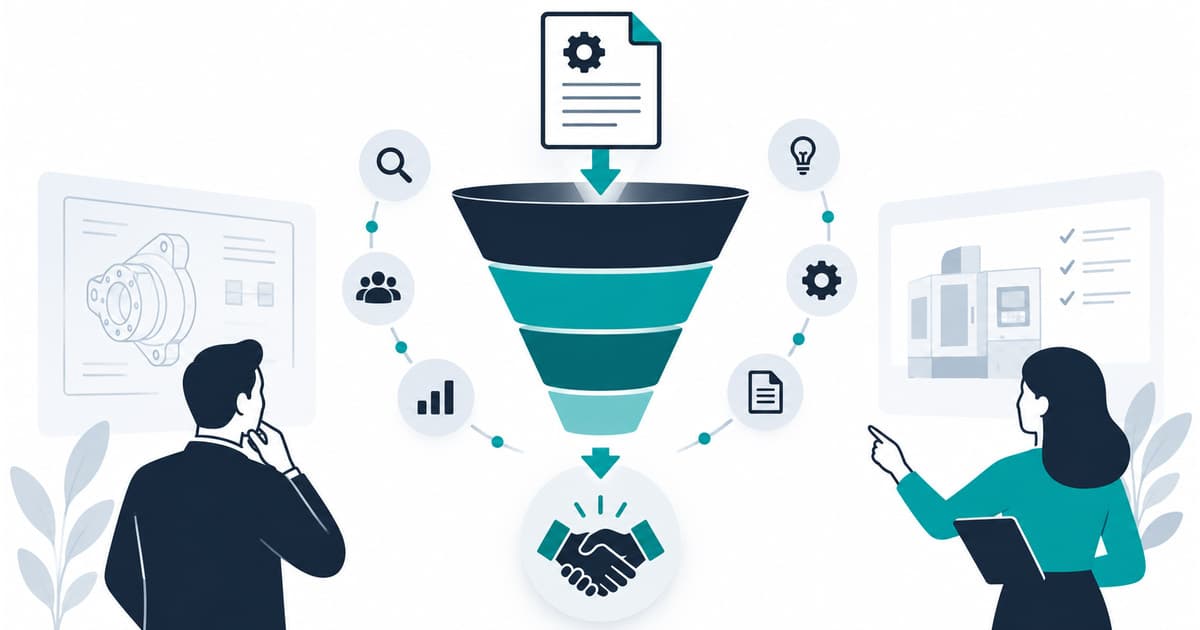
Paid advertising follows the same logic in reverse of what most generic playbooks assume: broad-reach, high-volume ad strategies built for consumer conversion rates perform badly for a niche technical audience, because you're paying to reach thousands of people who will never be a realistic buyer to reach the small percentage who are. Precise targeting — by job title, company size, specific technology stack in use, or intent signals like recently searching a competitor's name — costs more per click but converts at a rate that makes the actual cost per real lead far lower than a broad campaign's flashier-looking click volume.
SEO for technical and B2B products also plays out differently than most generic guides assume. The valuable keywords are rarely the highest-volume ones — "CRM software" is an enormous, brutally competitive search term dominated by billion-dollar incumbents. "Custom CRM development for distribution businesses" is a fraction of the search volume and something a small, well-positioned business can genuinely rank for, and the person searching it is dramatically further along in a real buying decision than someone typing the generic term. We consistently see specific, narrower keywords outperform broad ones on actual lead quality, even with a tenth of the search volume.
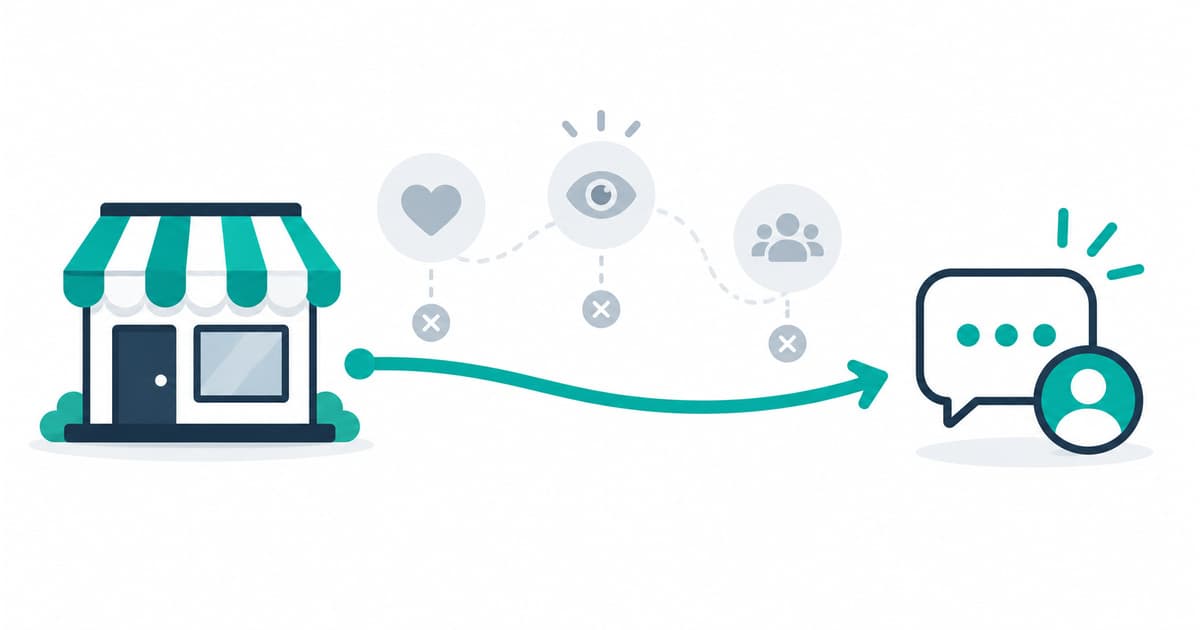
The single biggest mindset shift we push clients toward: stop measuring digital marketing success by vanity metrics — impressions, broad reach, follower counts — and start measuring it by qualified conversations generated, because for a considered B2B purchase, that's the only number that actually connects to revenue. A campaign that generates ten thousand impressions and zero real conversations is a worse outcome than one that generates two hundred impressions and three genuine sales conversations, even though the first looks dramatically more impressive in a report. Get honest about which number you're actually optimizing for, and most of the generic playbook advice sorts itself into "ignore this" and "this actually applies to us" without much difficulty.