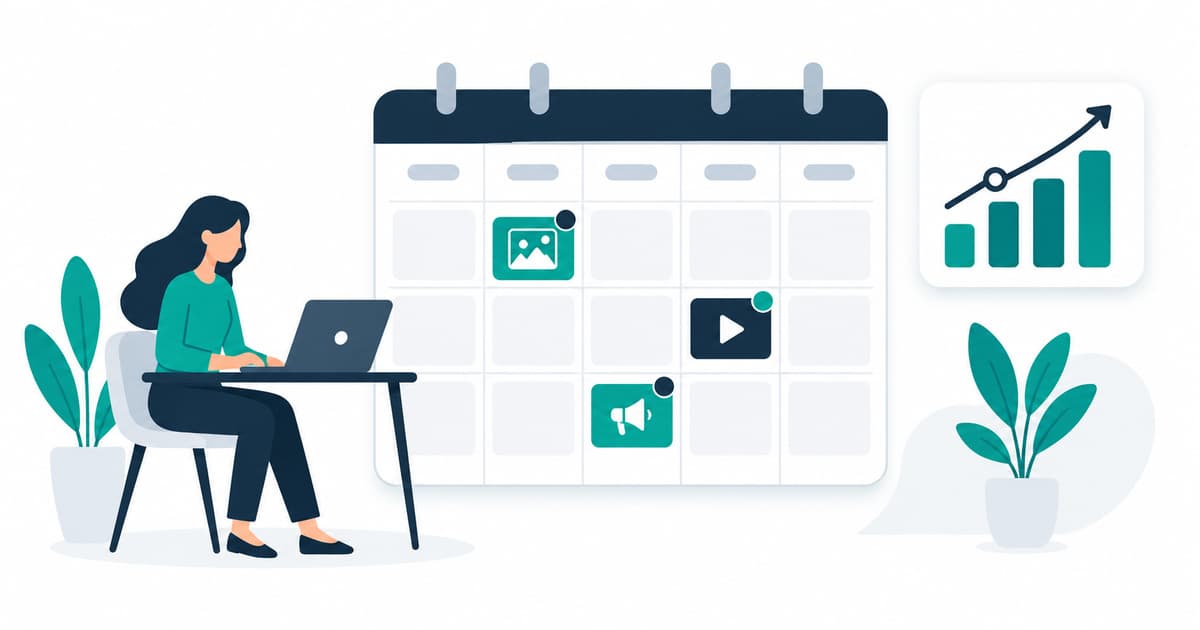
On pure scheduling and publishing features, Zoho Social is comparable to Buffer or Hootsuite — a content calendar, multi-platform publishing, basic engagement monitoring. If that's the only thing you're evaluating, the decision is close to a coin flip based on interface preference. So when clients ask us whether it's worth switching to Zoho Social specifically, we redirect the question, because scheduling isn't actually where the meaningful difference lives.
The real advantage shows up the moment social media is supposed to generate business, not just presence. A generic scheduling tool tells you a post got forty likes and six comments — useful for a content team, mostly meaningless for a sales team trying to answer "did that campaign actually generate revenue." Because Zoho Social sits inside the same ecosystem as CRM, a lead that comes in from a social post — someone who clicked through to a landing page and filled out a form, or messaged the business page directly — can be tracked straight through the pipeline to a closed deal, attributed back to the specific post and campaign that generated it. That's the question marketing teams actually get asked in budget meetings, and it's one a disconnected scheduling tool structurally cannot answer.
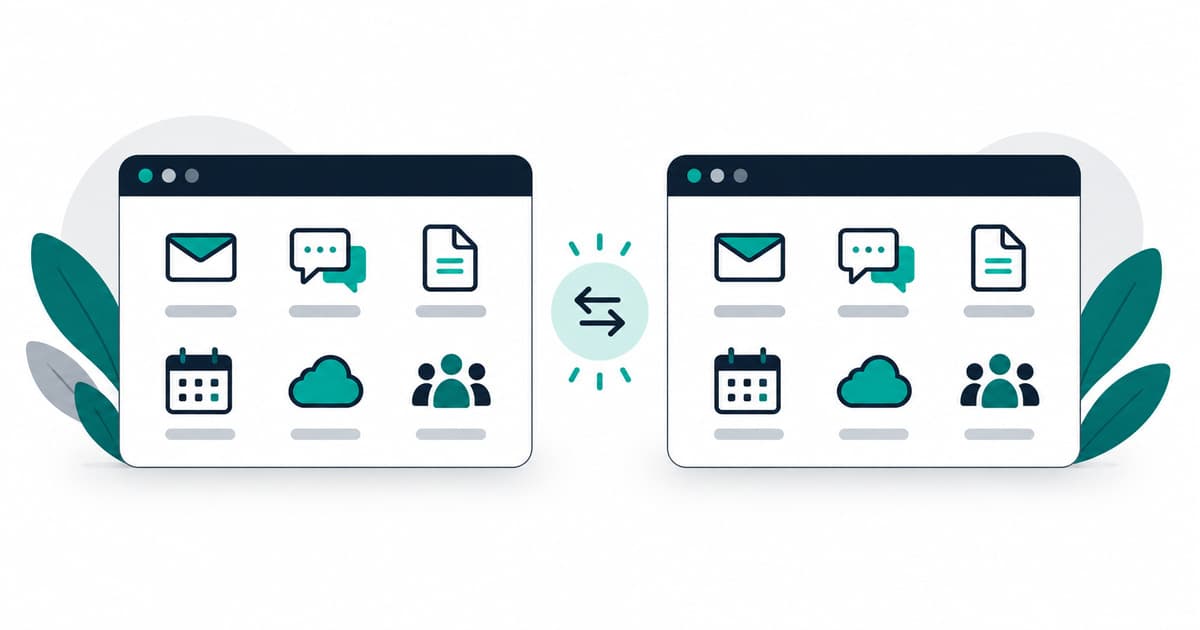
Zoho Social's monitoring dashboard also earns particular value for service businesses managing reputation across platforms — tracking mentions, reviews, and direct messages in one place rather than checking five apps separately, with the ability to route a customer complaint that comes in through social media directly into Desk as a support ticket instead of it languishing in a platform inbox nobody checks consistently. For a business that's had a bad review sit unanswered for three days simply because nobody was monitoring that particular platform, this routing alone can justify the switch.
We'll also say plainly where it doesn't clearly win: if your team has deep workflows built around a specific competitor tool's approval process or client-reporting templates (agencies managing social for multiple clients often have exactly this), migrating for Social's CRM integration alone may not be worth disrupting an established process, especially if you're not running social-driven lead generation in the first place — a purely brand-awareness content calendar doesn't need attribution tracking to be effective.
The actual decision test we walk clients through: are you running social media purely for brand presence and content distribution, or are you expecting it to generate trackable leads and revenue. If it's the former, pick whichever scheduling tool your team already likes — the difference genuinely won't matter much. If it's the latter, and you're already in the Zoho ecosystem, Social's direct line into CRM is the one feature that changes the actual business question you can answer, and that's worth more than any scheduling interface preference.