Most growing businesses reach a specific, recognizable moment of financial chaos: invoices are raised in one tool (or Word), expenses are tracked in a shared spreadsheet that half the team forgets to update, and the accountant reconciles all of it manually at month-end from bank statements and email attachments. It works, but it means the business owner never actually knows their real financial position between month-end closes — they're always looking a few weeks into the past.
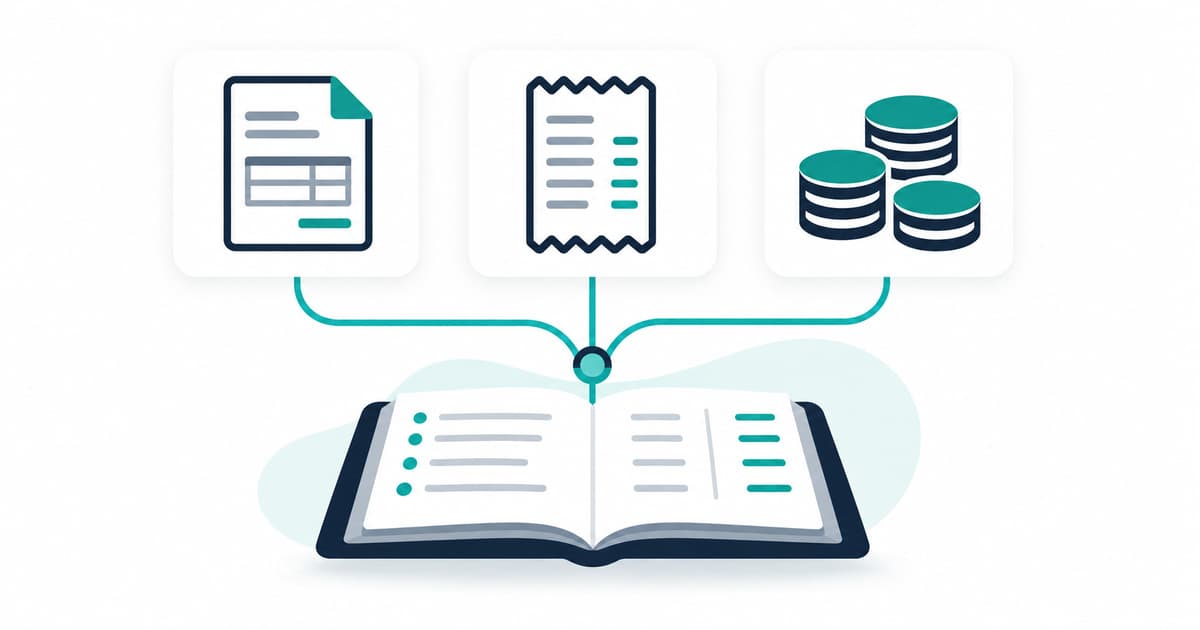
Zoho's finance suite solves this by design rather than by discipline: Books (accounting), Invoice (billing), and Expense (spend tracking) share one underlying ledger, so an invoice raised in Invoice shows up as revenue in Books automatically, and an expense submitted in Expense hits the right account without anyone re-entering it. The practical effect is that your financial statements are current, not reconstructed after the fact — you can genuinely open Books on any given day and see where the business actually stands, not where it stood three weeks ago when someone last updated a spreadsheet.
The invoicing side deserves its own mention because it solves a specific, painful problem for service businesses: partial payments, recurring billing, and multi-currency clients. We've had clients running international consulting work who were manually calculating currency conversion in Excel for every invoice — Invoice handles this natively, and more importantly, ties every payment received directly back to the specific invoice and client, so "has this client actually paid us" stops being a question you answer by scrolling through a bank statement.
Expense tracking is the piece that most often gets skipped by growing businesses because it feels like a "nice to have" — until reimbursements start eating into a founder's time every week. Employees photograph a receipt, categorize it, and submit it from their phone; it routes to the right approver based on amount and department, and once approved, flows straight into Books as a categorized expense. The audit trail this creates matters more than most business owners expect until their first real audit or investor due-diligence request, when "show me every expense over ₹10,000 in the last two quarters" needs to be a five-minute query, not a week of digging through email.
The honest caveat: this suite genuinely shines for businesses with real complexity — multiple entities, recurring billing, multi-currency clients, or a growing headcount submitting expenses. If you're a two-person consultancy invoicing three clients a month, a simpler tool (or even a well-built spreadsheet) may serve you just as well, and we'll tell clients that directly rather than oversell a bigger system than they need. But once you're past that point — once "what did we actually spend last month" takes more than five minutes to answer — the shared-ledger design of Zoho's finance suite stops being a nice-to-have and starts being the thing that lets you make decisions on real numbers instead of a rough guess.