A visitor lands on a pricing page, reads it twice, has one specific question that would decide whether they buy, and leaves without asking it — because the only way to ask is a contact form that might get a reply in two days, by which point they've either forgotten or found a competitor who answered faster. This exact moment, repeated across hundreds of visitors a month, is quietly one of the most expensive gaps in most businesses' websites, and it's the specific moment Zoho SalesIQ is built to close.
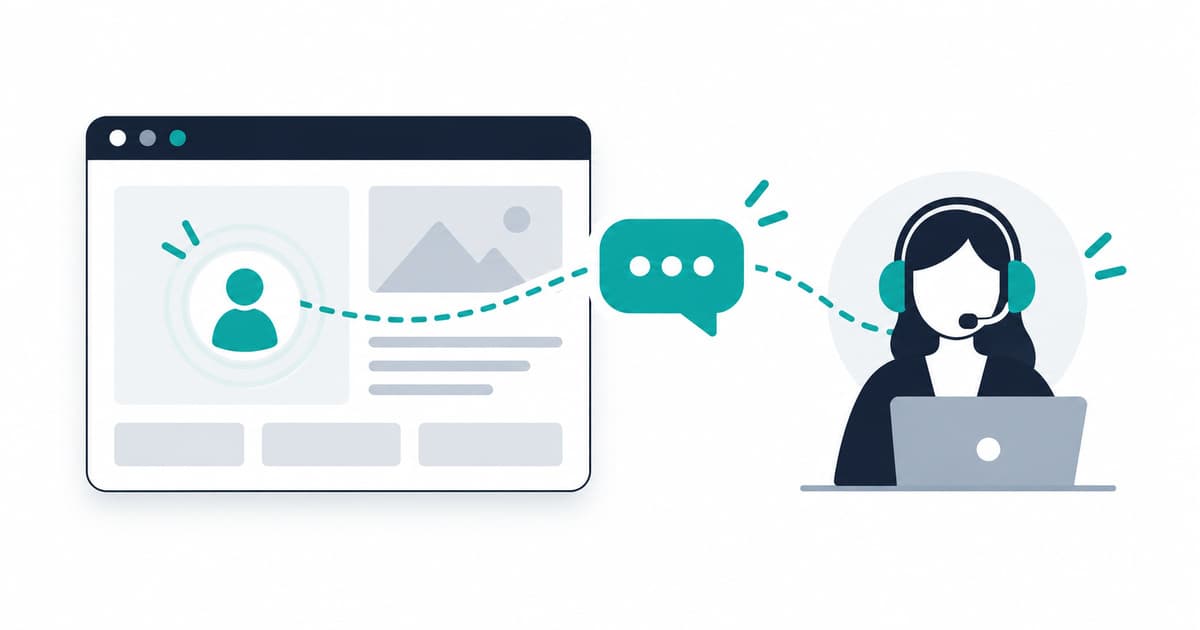
SalesIQ's live chat widget is the visible part, but the more valuable piece is what happens before a visitor even opens the chat: real-time visitor tracking that shows your sales team who's on the site right now, which pages they've viewed, how long they've spent on the pricing page specifically, and whether they've visited before. A salesperson watching this can proactively open a chat with the visitor who's spent four minutes on the pricing page rather than waiting passively for an inbound message — the difference between "reacting to whoever happens to reach out" and "engaging the visitor who's actually showing buying signals right now."
For businesses that can't staff live chat around the clock (which is most businesses), SalesIQ's chatbot layer, Zia, handles the routine questions — pricing ranges, business hours, common FAQ — and hands off to a human only when the conversation genuinely needs one. This matters because it changes the actual expectation: instead of visitors learning that your chat widget is decorative and never gets a real reply, they get an immediate answer to the easy questions and a real conversation for anything that needs one, which keeps the channel trustworthy enough that people actually use it.
Because SalesIQ shares Zoho's ecosystem, every chat conversation and visitor session logs directly against the CRM record for that lead — so when a salesperson follows up two days later, they're not starting cold, they can see exactly what the visitor asked and which pages drove the conversation. This connection between "what happened on the website" and "what happens in the sales pipeline" is the part generic live-chat widgets, disconnected from a CRM, don't give you.
The honest scoping conversation we have with clients: SalesIQ earns its cost when your website genuinely drives sales conversations — a B2B service business, a considered-purchase e-commerce site, anything where a visitor's specific question can be the deciding factor. If your site is purely informational with no real sales conversation happening on it, live chat becomes overhead nobody staffs, and we'll say that plainly rather than sell a tool that will sit unused. But for a business where "I had a question and couldn't get an answer fast enough" is genuinely costing you deals, SalesIQ closes that gap directly, in the moment it actually matters.