Two questions come up constantly in our client conversations, and they're more related than most people realize: "why do I have to manually copy data between these two apps every week," and "why can't I get a straight answer about how the business is actually doing across all our tools at once." The first is a job for Zoho Flow. The second is a job for Zoho Analytics. And the businesses that get the most value treat them as one connected problem, not two separate tools to evaluate independently.
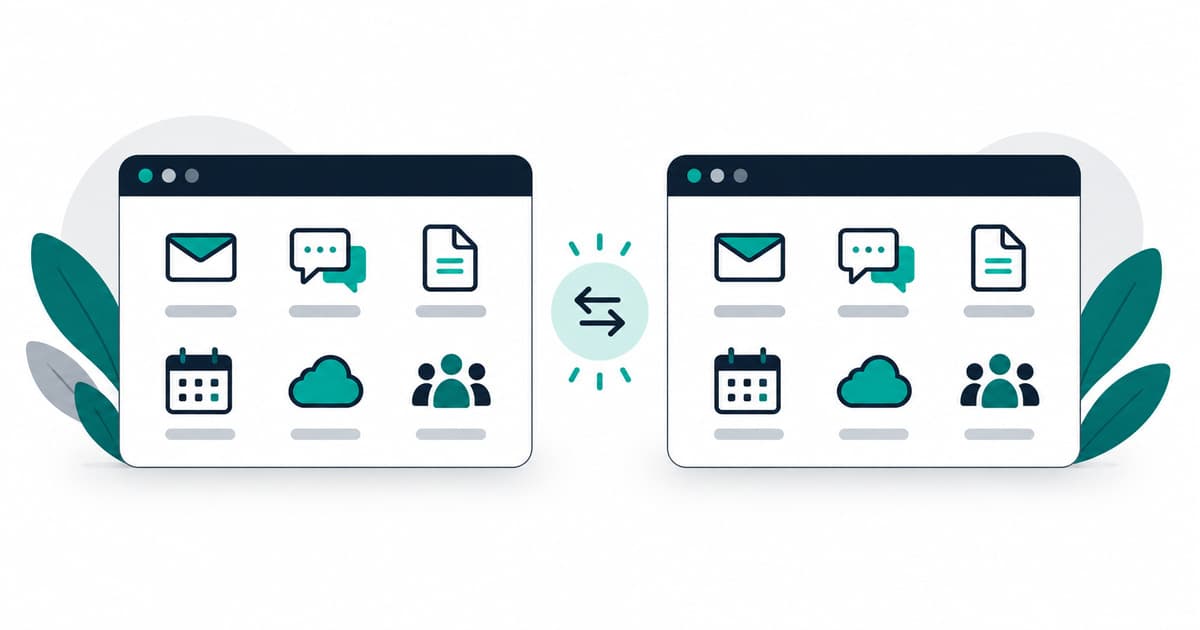
Zoho Flow is, at its core, a no-code automation layer that connects apps — Zoho's own suite and hundreds of third-party tools — so that an event in one system automatically triggers an action in another. A new deal closed in CRM creates a project in your project management tool. A form submission on your website creates a lead in CRM and a task for the sales team simultaneously. A support ticket resolved in Desk triggers a customer satisfaction survey. None of this requires custom API integration work — Flow's visual builder handles the connection logic, which means changes to your automation rules are a same-day update, not a developer ticket.
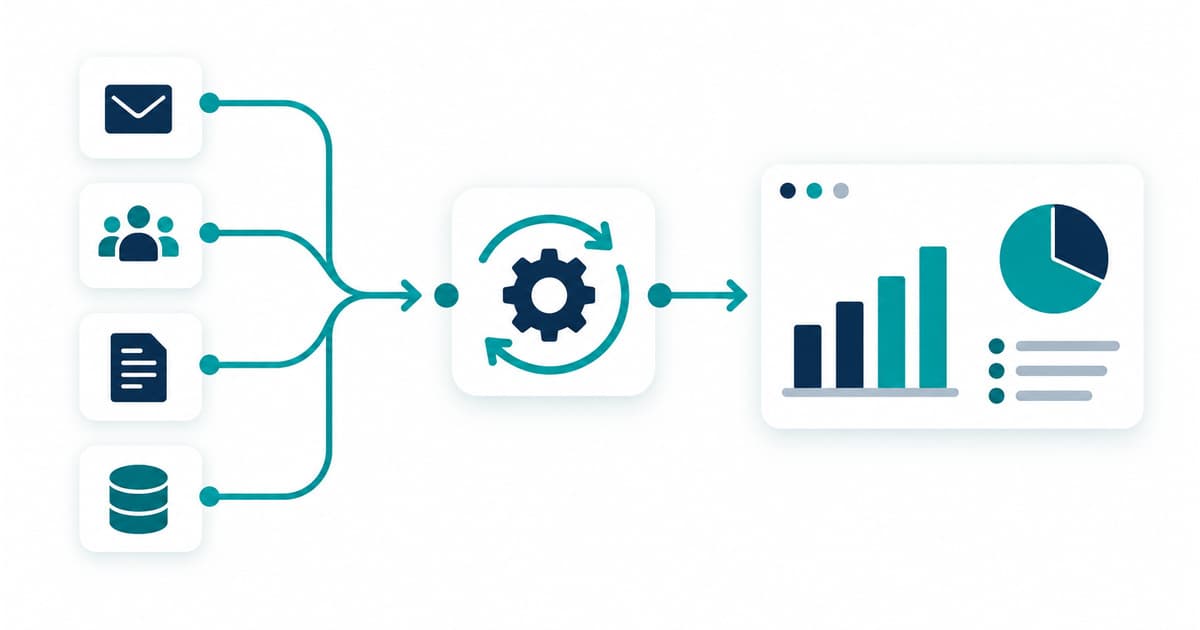
The part that gets underused: once you're automating data flow between systems with Flow, you've also created the plumbing for genuinely unified reporting, which is exactly what Zoho Analytics is built to consume. Analytics connects to data across your Zoho apps (and beyond) and lets you build reports and dashboards that answer cross-system questions a single app's built-in reports never could — "what's our actual cost per lead when we account for marketing spend in one tool and conversion data in another" is a question no individual app answers alone, but Analytics, fed by well-automated data flows, answers it directly.
We've seen businesses buy Analytics and get frustrated that it "doesn't show anything useful" — and in almost every case, the real problem was that their underlying data wasn't flowing cleanly between systems in the first place, so Analytics was trying to report on gaps and manual entry that never quite matched. Fixing the Flow automation first, so data arrives clean and consistent, is what makes the Analytics layer actually valuable rather than another dashboard nobody trusts.
Our honest recommendation for any business evaluating either tool: start by mapping where your data currently moves manually between systems — every "someone exports a CSV and re-uploads it" step is a candidate for Flow. Fix those first. Only once data is flowing automatically and reliably does it make sense to invest real time in Analytics dashboards, because a beautifully designed report built on inconsistent underlying data will always, eventually, be the report nobody trusts.