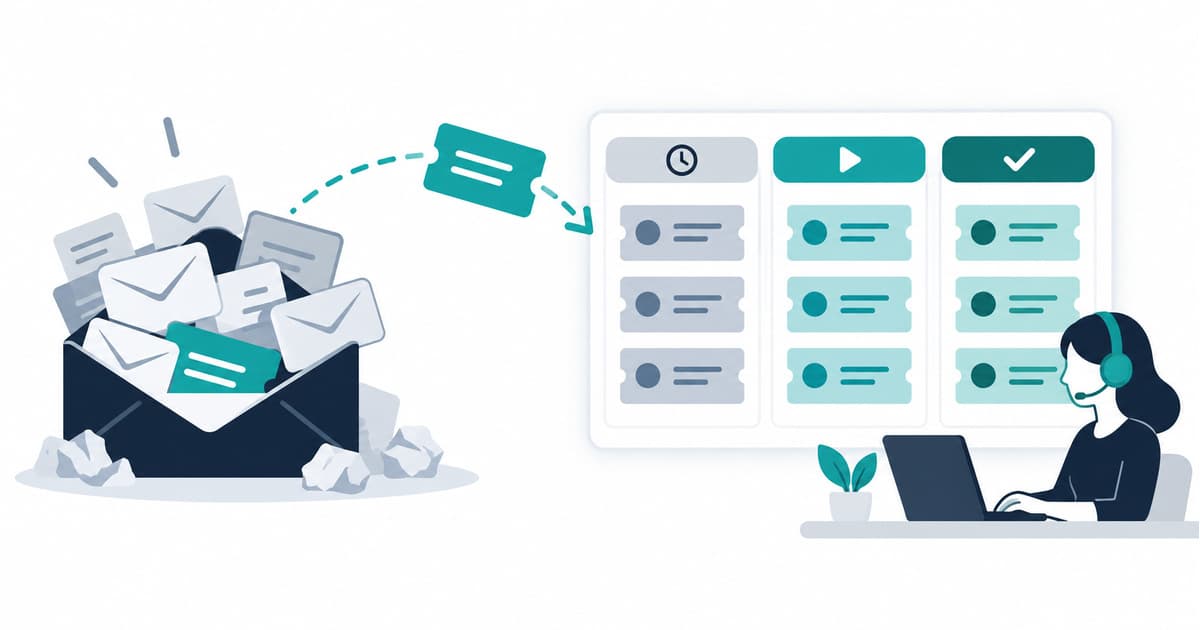
Every growing business eventually hits the same wall with customer support: a shared support@ inbox that worked fine with one person answering it stops working the moment two or three people are handling tickets, because now a customer gets two different replies to the same question, a ticket sits untouched for a day because everyone assumed a colleague already handled it, and there's no real way to answer "how many tickets are actually open right now" without scrolling through hundreds of emails. None of this is a people problem — it's what happens when a support process outgrows a tool that was never built for support in the first place.
Zoho Desk's core value is deceptively simple: every customer inquiry, regardless of channel — email, web form, chat, social — becomes a ticket with a clear owner, a status, and a full history, instead of a message that can be silently missed or duplicated. Assignment rules route tickets automatically based on department, product, or customer tier, so "who's handling this" stops being a judgment call made in the moment and becomes a rule set up once. For a team that's been relying on "whoever sees it first replies," this alone eliminates the most common cause of dropped or duplicated responses.
The feature that actually changes team behavior, though, is the shared visibility into workload and response time. A support lead can see, at a glance, how many tickets are open, how long they've been sitting, and which agent is overloaded — the kind of visibility that used to require someone manually counting unread emails. Combined with SLA rules that flag a ticket as at-risk before it breaches a promised response time, teams catch the "this has been sitting for two days and nobody noticed" problem before the customer has to complain about it, not after.
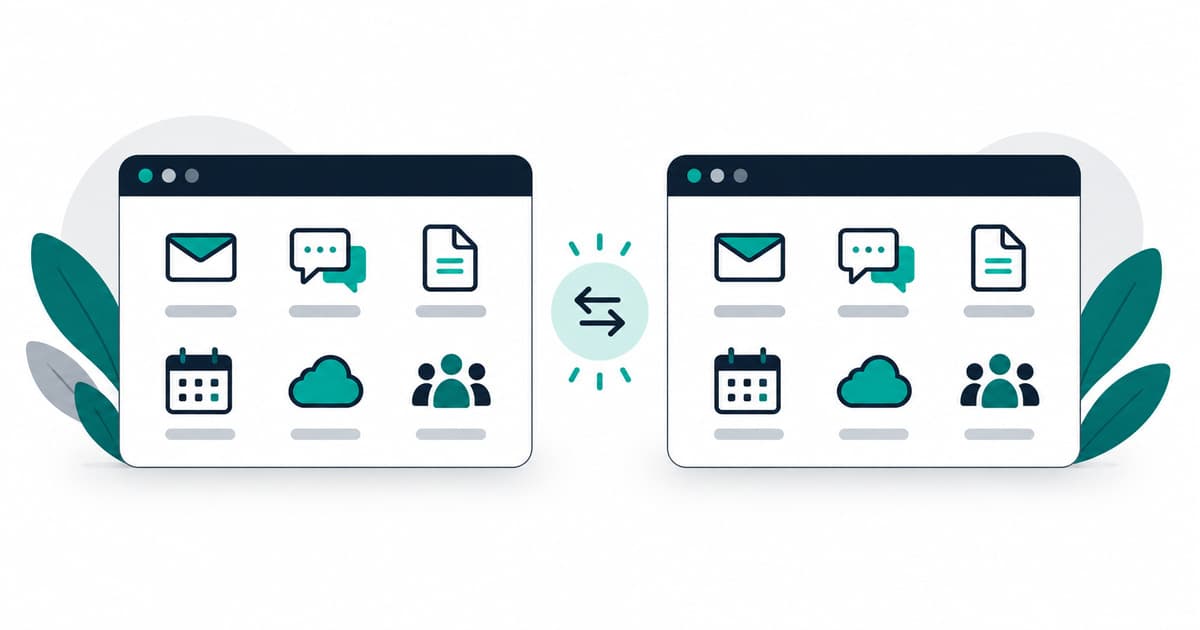
Because Desk shares Zoho's ecosystem, tickets connect directly to CRM records, so an agent handling a support issue can see the customer's full history — what they've purchased, prior tickets, even recent sales conversations — without switching tools or asking the customer to repeat context they've already given someone else. For any business where support and sales genuinely need to see the same customer picture (which is most businesses, whether they've built the process for it or not), this connection removes a huge source of customer frustration: having to re-explain your situation to every new person you talk to.
Where we're honest about scope: if you're fielding under a handful of support inquiries a week, a well-run shared inbox with clear informal rules can still work fine, and a dedicated helpdesk platform is more structure than you need yet. But once ticket volume means more than one person is handling support, or once "did we actually respond to that customer" requires checking with a colleague rather than looking it up, that's the specific moment a real ticketing system like Desk stops being overhead and starts being the thing that keeps customers from noticing your support process is stretched thin.