Almost every business we've worked with has had some version of this exact meeting: sales reports 340 closed deals for the quarter, finance's revenue reconciliation shows 316, and an hour gets spent trying to explain a gap that turns out to be entirely mundane — three deals were entered with slightly different date formats, two customer names were spelled differently across systems so they counted as separate accounts, and one deal was double-counted because it was re-entered after an export error. Nobody did anything wrong. The data was just never actually clean before anyone tried to report on it.
This is precisely the unglamorous, unsexy problem Zoho DataPrep exists to solve, and it's one of the most underrated tools in the Zoho suite because it doesn't produce a pretty dashboard — it produces trustworthy inputs for whatever dashboard or report you build next. DataPrep lets you profile incoming data (spotting inconsistent formats, duplicate entries, and missing values automatically), apply cleaning rules once, and then have that cleaning applied consistently every time new data arrives, rather than manually fixing the same categories of errors by hand every reporting cycle.
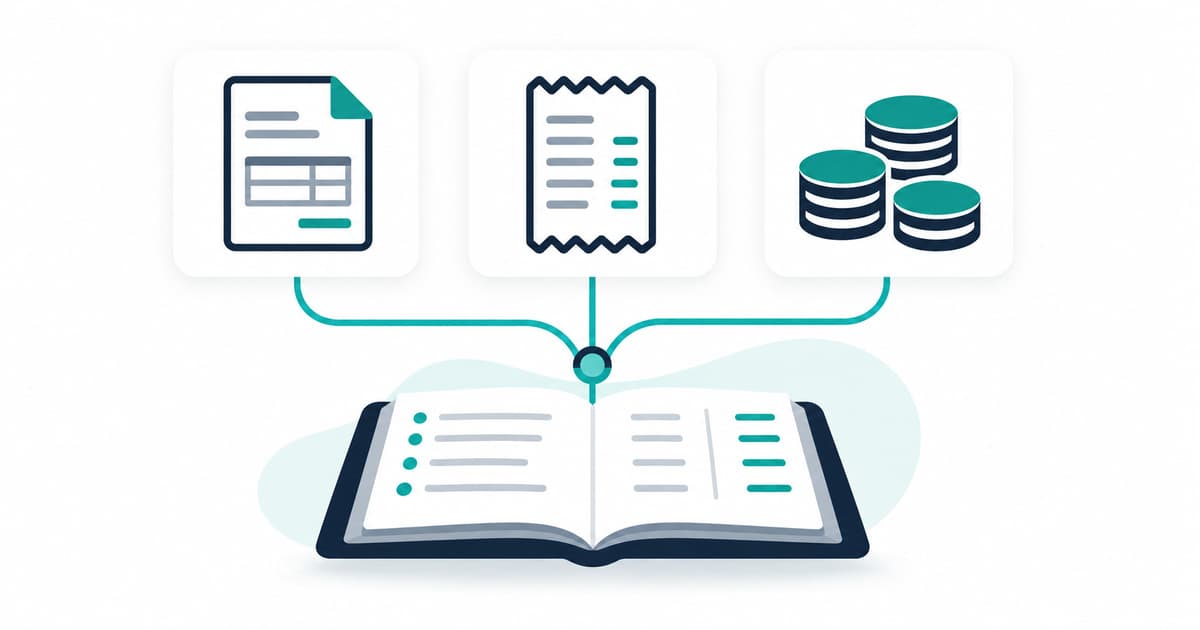
Where this earns its keep most clearly is when data is coming from multiple sources that were never designed to agree with each other — a legacy system, a newer CRM, and manually maintained spreadsheets, all feeding into whatever reporting layer sits on top. Before DataPrep, reconciling these means someone spending hours each month manually matching records, standardizing text fields, and guessing at which entry is the "correct" one when two conflict. DataPrep's rule-based cleaning does this automatically and, more importantly, consistently — the same fuzzy-matching logic that decided "Data24Zone Pvt Ltd" and "Data24Zone Private Limited" are the same customer last month applies exactly the same way this month, instead of depending on whichever analyst happens to be doing the reconciliation that week.
The businesses that benefit most obviously are the ones migrating data between systems (a classic source of format mismatches and duplicate records) and the ones running any kind of multi-source reporting, where "why don't these two numbers match" has become a recurring, time-consuming question rather than a rare exception. If your business runs on one clean system with one source of truth, DataPrep is genuinely more infrastructure than you need — we'll say so directly rather than recommend a tool you don't need yet.
But the moment your reporting involves reconciling more than one source of truth — which happens to almost every business somewhere between fifty and a few hundred employees — the alternative to DataPrep isn't "no tool," it's a person spending real hours every month doing the same manual reconciliation by hand, with the same category of errors recurring because nothing was fixed at the root. Clean the pipeline once, properly, and the reports built on top of it stop being a monthly argument about whose number is right.