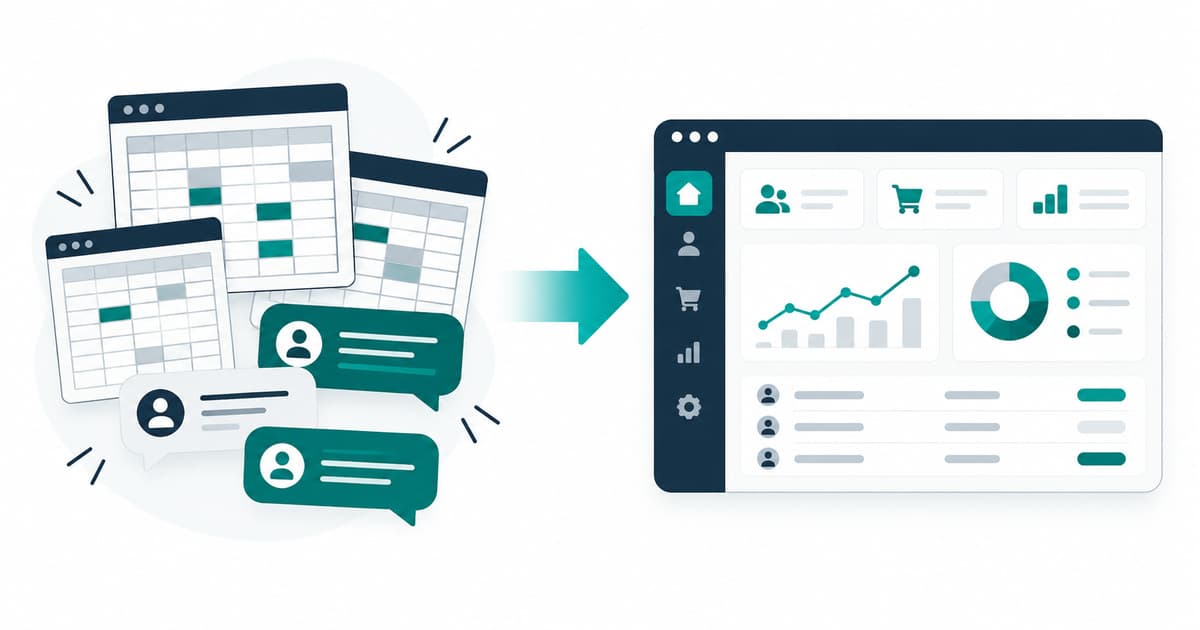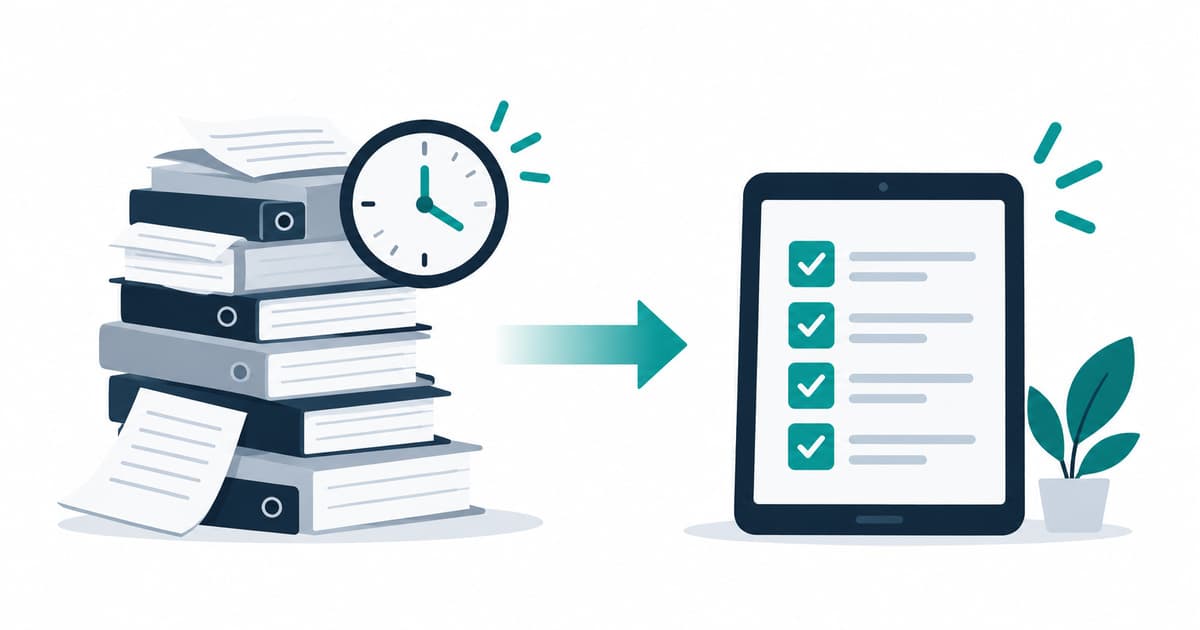
Ask a school principal how attendance, fees, and parent communication are managed, and the answer is almost always some version of "a register, an Excel sheet, and a few WhatsApp groups." It's not that schools haven't heard of school management software — most have looked at an ERP at some point and found it slow, ugly, and built like a government form nobody wants to fill out twice. So the paper-and-WhatsApp system persists, not out of preference, but because the alternative felt worse.
The cost of this setup rarely shows up as one dramatic failure — it shows up as constant small friction that adds up. A parent calls the office because they can't remember if fees are paid. A teacher spends twenty minutes at the start of every period taking attendance by hand, then transcribing it later. A circular goes out in three different WhatsApp groups and half the parents still miss it because group chats bury important messages under everything else. None of this is a crisis on its own. Multiplied across a school year, it's hundreds of hours of staff time spent on coordination rather than teaching, and a constant low-grade frustration for parents who have no way to check anything themselves.
The deeper risk is the one nobody notices until it's too late: paper registers get lost, Excel files get corrupted or overwritten, and there's no audit trail when a dispute arises over attendance or a grade. A private school's entire academic record for a year can depend on files that live on one person's laptop with no backup. That's not a hypothetical — it's the default state of most schools running this way, and the fix isn't complicated, it's just been priced or perceived as more disruptive than it actually is.
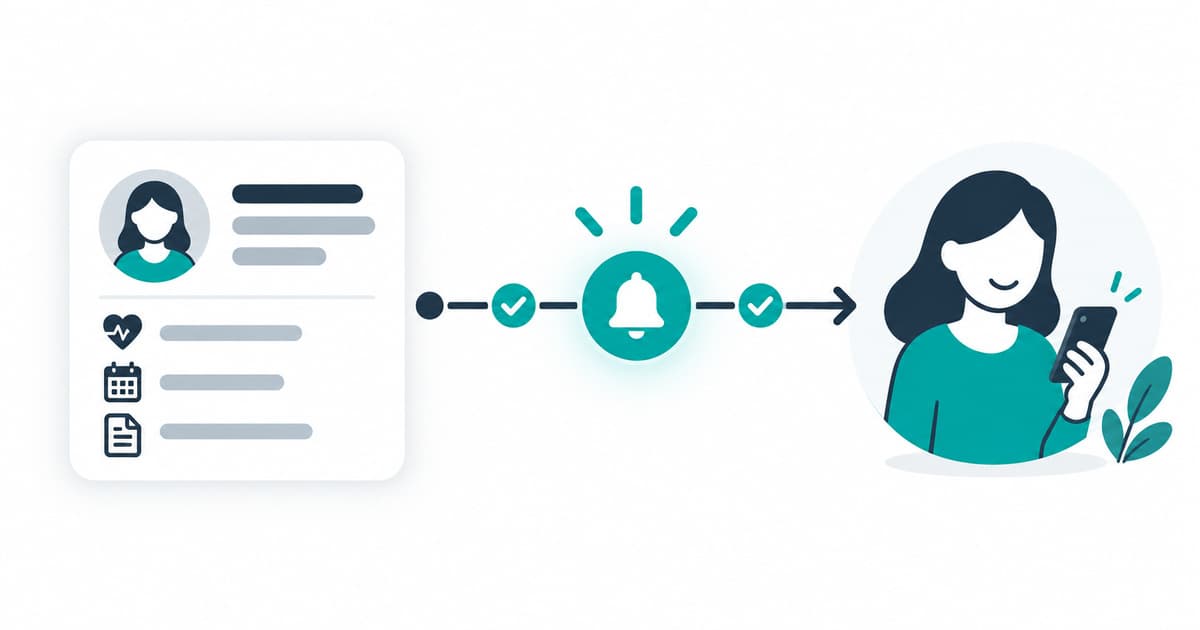
What we built D24 LMS around is the idea that a school ERP doesn't have to feel like enterprise software to actually cover enterprise-grade needs — a real-time cloud backend, a native Android app parents and teachers actually want to open, and five distinct role-based views (Admin, Principal, Teacher, Parent, Student) so nobody sees tools irrelevant to them. A parent opens the app and sees their child's attendance, grades, and fee status directly — no calling the office. A teacher marks attendance once, on their phone, and it's visible everywhere instantly. Fee dues are tracked automatically instead of chased manually.
The switching cost is usually the real objection, so we start every school on a 2-month free trial with their own students, staff, and data before any commitment — cloud pricing starts at ₹6,000/month for up to 300 students, or schools that want to own their infrastructure outright can take a one-time license instead. Either way, the honest comparison isn't "software cost versus free" — paper and WhatsApp were never free, they were just an invisible tax paid in staff hours and parent frustration instead of a subscription line item.