Clinics rarely lose patients over a single bad experience. They lose them quietly, over weeks, through gaps in follow-up that nobody at the front desk had time to notice: a patient who was told to "come back in two weeks" and never got a reminder, a lab result that arrived but the callback fell through the cracks during a busy afternoon, a new patient inquiry that came in after hours and got answered a day later once the urgency had already faded. Individually, each of these looks like an unremarkable, forgivable gap. Across a year, they're a meaningful share of patients who simply drift away without the clinic ever knowing why.
The underlying issue is structural, not a staffing problem. Most clinics run patient communication the same way they did a decade ago — a physical appointment book, a receptionist's memory, and phone calls made when someone happens to have a free moment between patients. There's no system tracking who's overdue for a follow-up, no automatic reminder before a scheduled review, and no visibility for the clinic owner into how many inquiries turned into actual booked appointments versus how many quietly went cold. You can't fix what you can't see, and most clinics have no visibility into their own follow-up gaps at all.
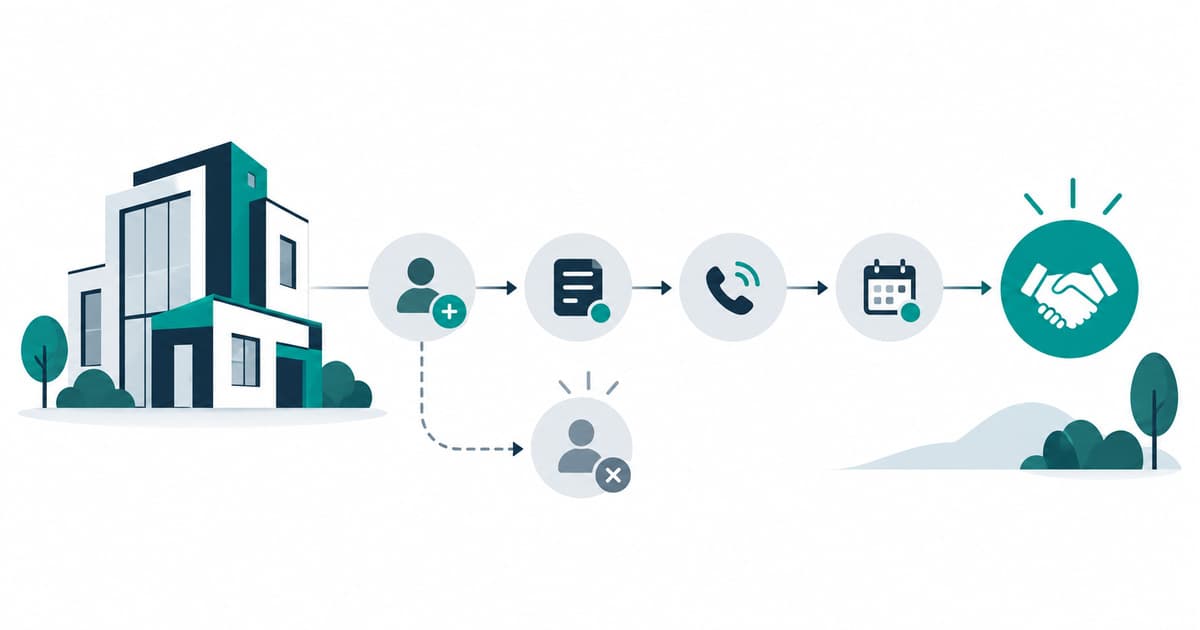
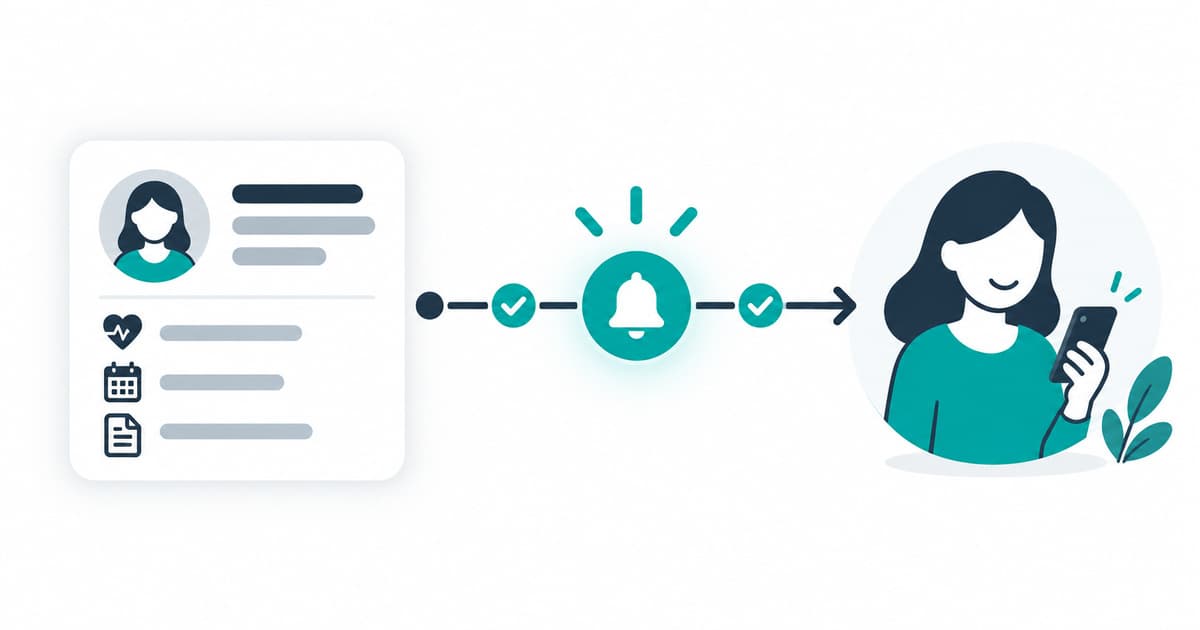
This is exactly the kind of repetitive, rule-based coordination work that a CRM combined with light automation is built to handle — not replacing the clinical relationship between doctor and patient, but making sure the administrative half of that relationship doesn't depend entirely on someone's memory during a busy shift. A patient record that tracks appointment history and next-review dates. An automatic reminder that goes out before a follow-up is due, instead of relying on a receptionist to notice. A single pipeline for new inquiries so nothing sits unanswered in a personal phone's messages overnight.
The change this produces isn't dramatic — it's the elimination of an entire category of silent loss. When follow-ups are tracked systematically rather than by memory, the patients who would have quietly drifted away simply don't, because someone (or something) noticed they were due and reached out. That's not a new patient acquisition strategy — it's making sure the patients a clinic already earned don't leave through an administrative gap that had nothing to do with the quality of their care.
If you're running a clinic and genuinely don't know how many patients from six months ago never came back for a scheduled follow-up, that's the actual number worth finding before investing in anything else — marketing spend to bring in new patients rarely makes sense until the follow-up gap on existing ones is closed first. Our Business Automation and Custom CRM Development services are built for exactly this kind of scoped, practical fix, not a full hospital-management overhaul most clinics don't need yet.