In real estate, consulting, home services, and most B2B service businesses, deals rarely close or die in a single conversation. A prospect enquires, goes quiet for two weeks while they compare options, and then buys from whoever happens to reach back out at the right moment. This means the deciding factor in a huge share of these deals isn't pricing or pitch quality — it's simply which business followed up, and when. Most businesses lose more deals to their own follow-up gaps than they ever lose to a competitor's better offer.
The reason this happens so consistently is that lead follow-up in these businesses usually lives in someone's head, not in a system. A broker or salesperson remembers to call back the leads that feel most promising, and the "maybe later" leads — which are often a third of the pipeline — simply fade from memory once something more urgent comes up. There's no reminder forcing a check-in at day seven or day fourteen, no visibility for a sales manager into which leads have gone cold, and no record of what was actually promised in the first conversation when someone finally does call back weeks later.
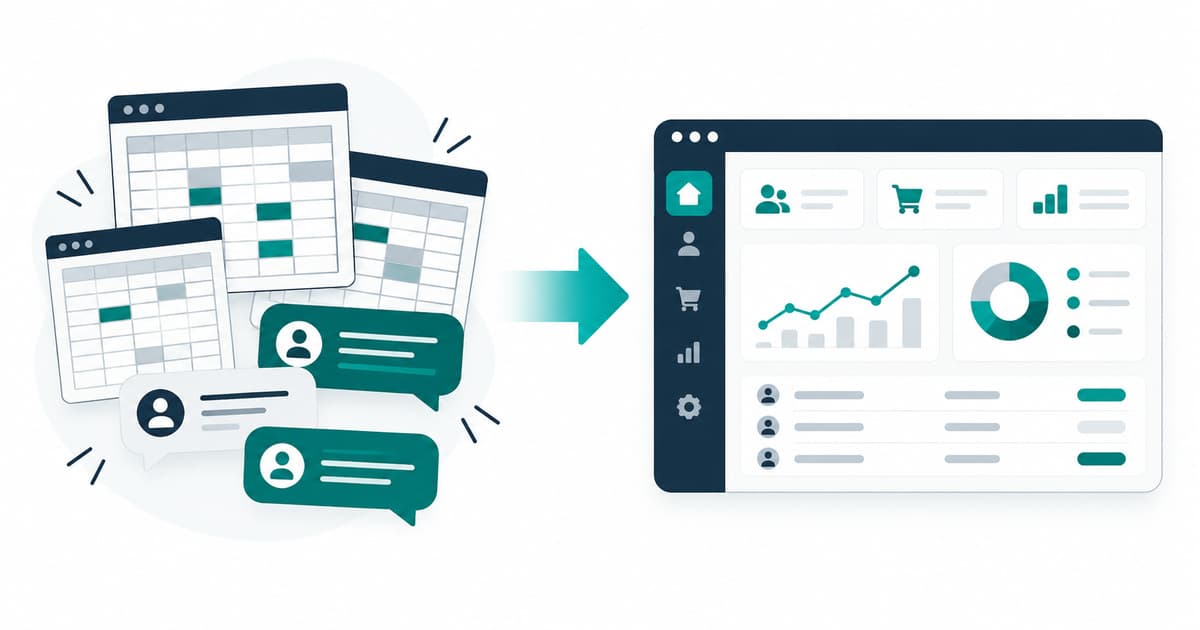
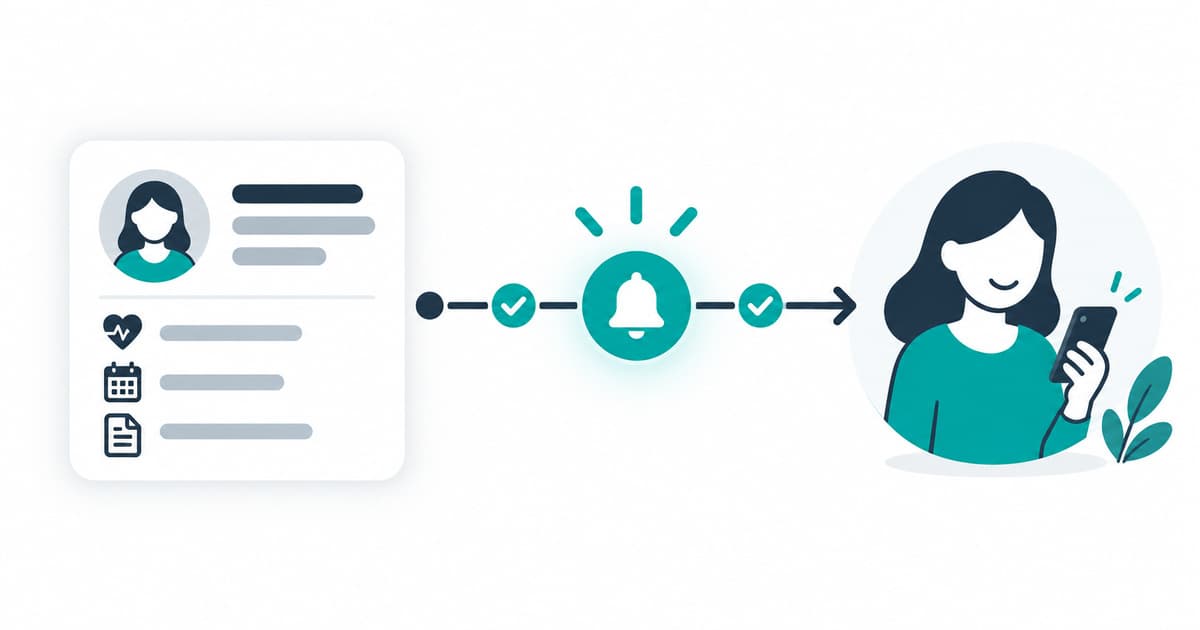
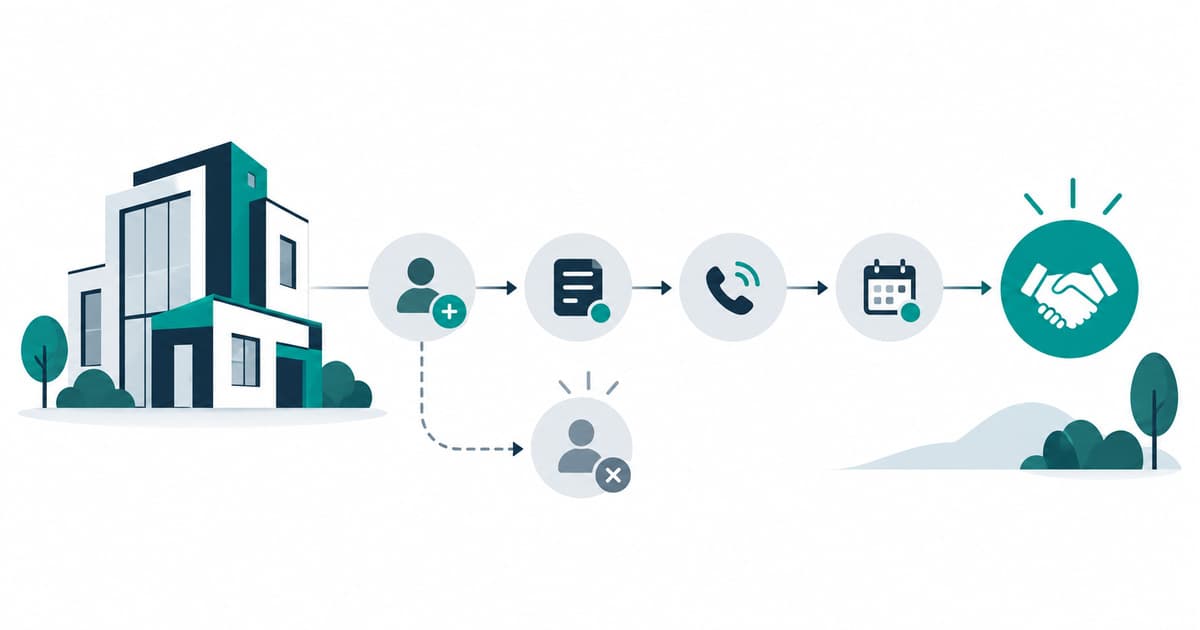
A CRM built around a real pipeline — not a spreadsheet with a "status" column nobody updates — changes this by making follow-up a system property instead of a memory property. Every lead has a stage, an owner, and a next action, so a lead going quiet for two weeks shows up as a stalled deal rather than disappearing silently. Reminders fire based on time-since-last-contact, not a salesperson's memory. When a manager reviews the pipeline, they see exactly how many leads are stuck at each stage and for how long, instead of relying on a verbal update that reflects whoever remembered to mention what.
This matters more in real estate and services than in most retail contexts, because the sales cycle is longer and the decision is bigger — a property purchase or a service contract isn't decided in one call, it's decided across several touchpoints spread over weeks. Whichever business shows up consistently across that window, without needing the prospect to re-explain their situation every time, tends to win the deal almost independent of price. Consistency of follow-up is the actual competitive advantage here, and it's one a CRM enforces automatically instead of depending on individual salesperson discipline.
Our Custom CRM Development service builds pipelines around how your specific sales process actually works — the stages a property deal or a service contract genuinely moves through, not a generic template — and Data24 CRM ships this as a ready-to-use product if you'd rather start today than commission a custom build. Either way, the fix for "we're losing deals we shouldn't be losing" is very rarely better salespeople. It's a system that remembers what your best salesperson would have remembered, for every single lead, every single time.