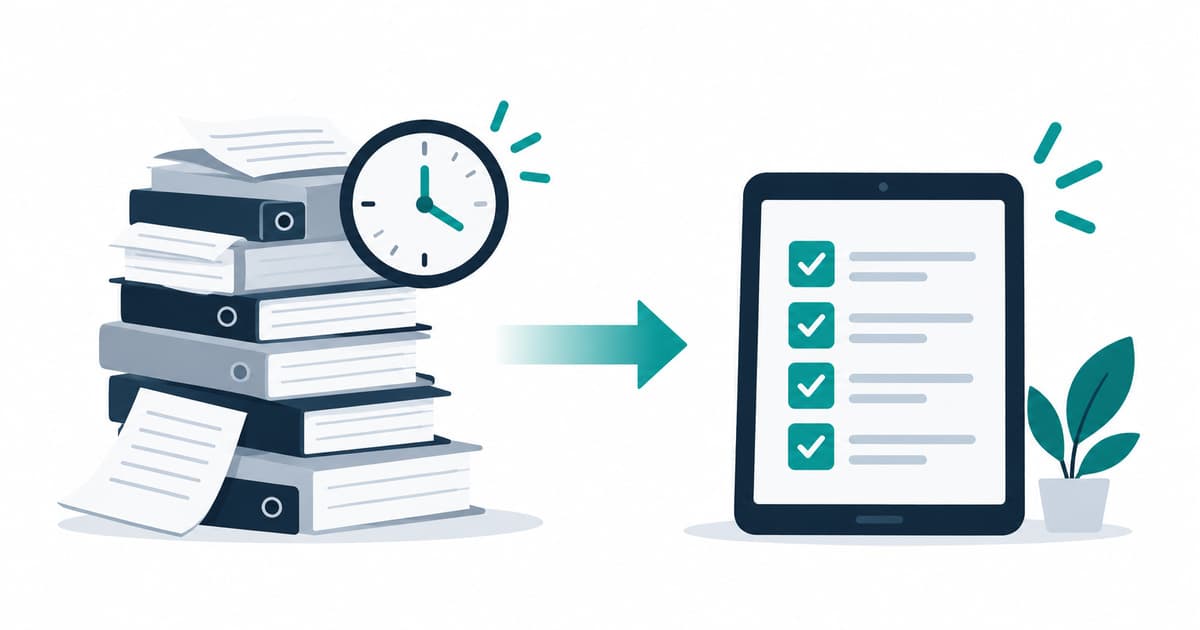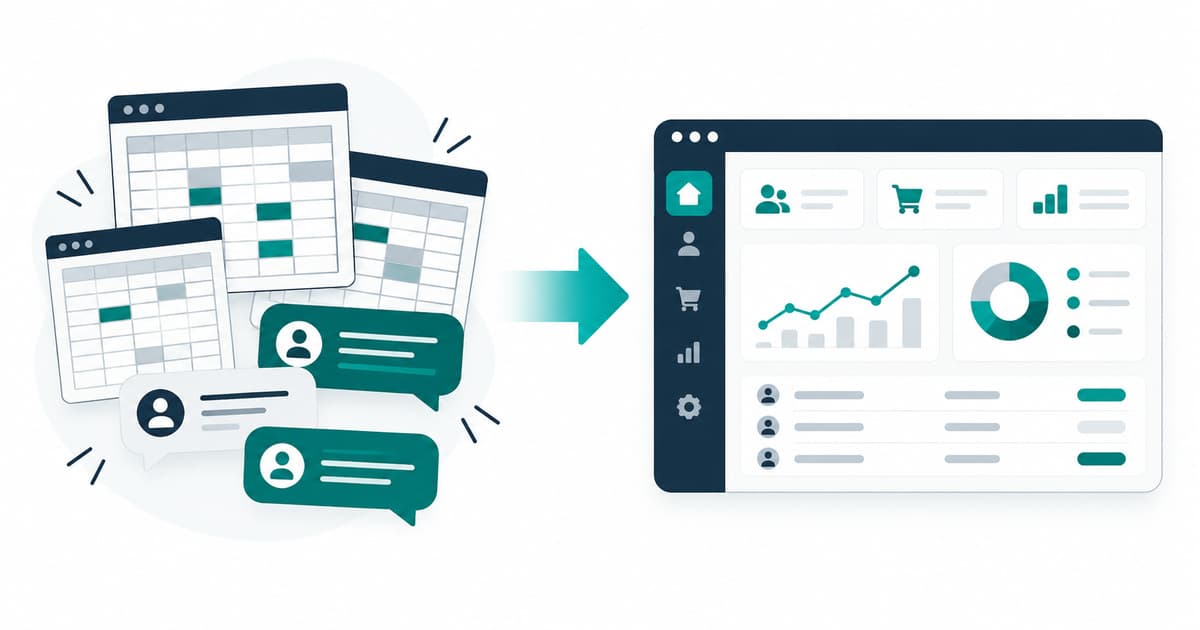
Walk into most growing retail or e-commerce businesses and you'll find the same pattern: customer inquiries live in a personal WhatsApp, stock counts live in an Excel sheet someone updates when they remember to, and orders get tracked across a notebook, a spreadsheet, and whichever marketplace dashboard happens to be open. Each piece works fine in isolation. The problem shows up at the seams — a customer who messaged twice gets followed up on twice by two different staff, a bestseller goes out of stock because nobody cross-checked the sheet before running an ad, and the owner has no single number for "how much did we actually sell this week" without manually adding things up.
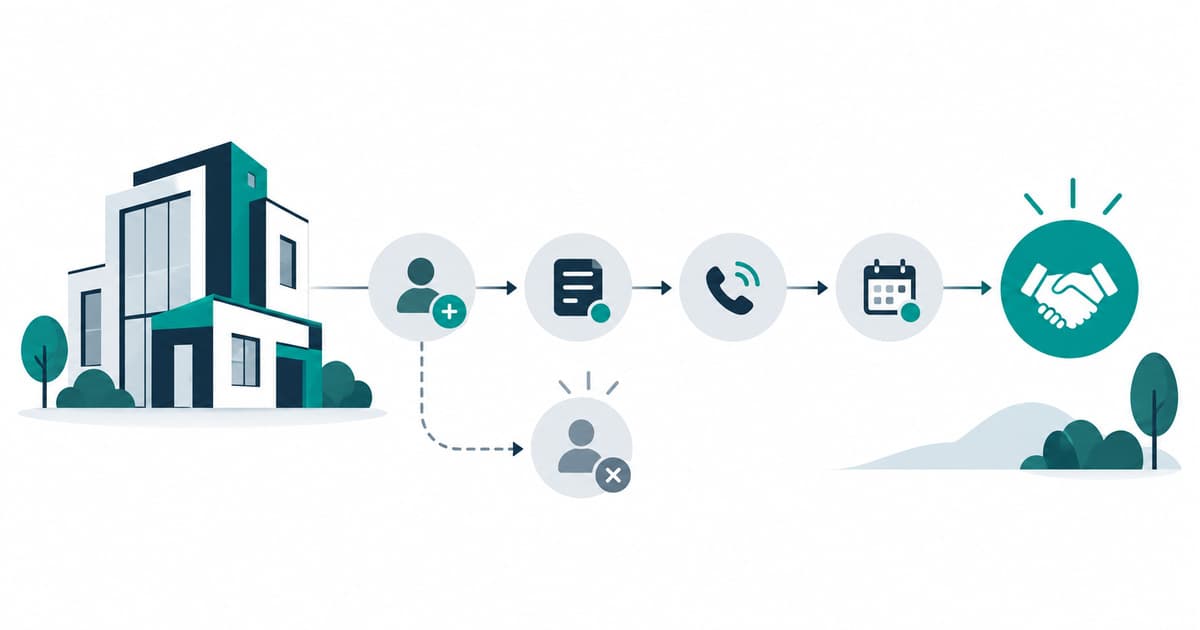
The core issue isn't that these businesses lack tools — it's that they have too many disconnected ones, each holding a fragment of the truth. A customer's conversation history, their order history, and their payment status genuinely need to live in one place for a business to respond quickly and consistently. This is precisely the gap a CRM built around retail workflows closes: leads and inquiries land in one pipeline instead of a chat thread that scrolls away, a product catalog and invoicing system replace hand-built quotes, and a single dashboard shows what's actually happening today instead of requiring someone to compile a report.
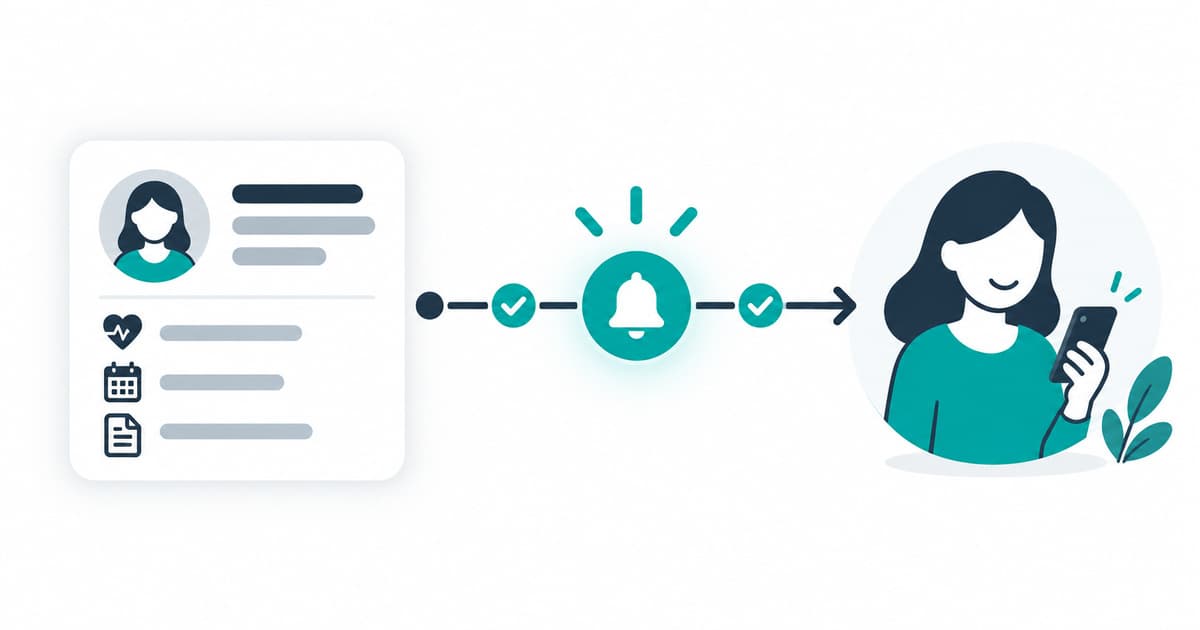
What we see change first when a retail business moves off spreadsheets isn't revenue — it's response time. When every inquiry lands in a shared pipeline instead of one person's phone, follow-up stops depending on who happens to be free. A customer asking about a product at 9pm gets logged the same way as one who calls at noon, and nothing falls through the cracks because someone was on leave. That alone tends to recover deals that were previously being lost silently, not because the product was wrong, but because nobody got back to the customer in time.
The second change is in how owners make decisions. Instead of asking a staff member "how are we doing this month," an owner with a live analytics dashboard can see revenue, pending payments, and inventory movement themselves, from a phone, without interrupting anyone. This sounds like a small convenience until you consider how many retail decisions — what to restock, which product to push, which customer segment to run a promotion for — get delayed or skipped entirely simply because the data required a manual pull that nobody had time for.
Our own Data24 CRM was built around exactly this shape of problem: a CRM, a finance suite for invoices and offers, and a customer inbox that pulls WhatsApp and email into one thread, all sharing the same customer record so nothing is re-entered twice. It's priced per user starting at ₹499/month specifically so a small retail team doesn't need an enterprise budget to stop running the business out of Excel and WhatsApp — you can see it running with your own data at data24crm.web.app before deciding anything.
If you're currently deciding between "keep patching the spreadsheet" and "actually fix this," the honest test is simple: try to answer, right now, without opening five different apps, how many customers you haven't followed up with this week. If that number takes more than thirty seconds to produce, the tools aren't the problem you think they are — the fragmentation is.